Starting nursery is a major milestone in a child’s early learning journey. For many parents, it also raises an important question: “Is my child ready for nursery?” While every child grows and develops at their own pace, there are certain signs that indicate your child may be ready to take this exciting step.
Nursery education introduces young learners to structured activities, social interactions, and foundational skills that prepare them for future schooling. Understanding the readiness signs can help parents ensure a smooth and positive transition into early education.
For parents who are still exploring early education options, it can also be helpful to understand the difference between early learning stages such as play school and preschool, which you can read about in our guide:
Play School vs Preschool: What Parents Should Know
At VIBGYOR World Junior, our early childhood programmes are designed to nurture curiosity, creativity, and confidence while helping children adapt comfortably to a school environment.
1. Your Child Is Becoming More Independent
One of the first signs of nursery readiness is growing independence. If your child is starting to do small tasks on their own—such as putting away toys, feeding themselves, or attempting to dress themselves—it shows they are developing the confidence needed to participate in a classroom environment.
Nursery settings encourage independence through guided activities and routines, helping children feel capable and self-assured.
Parents interested in understanding how early learning programmes support independence and overall development can explore the programmes offered at VIBGYOR World Junior on our Programme page
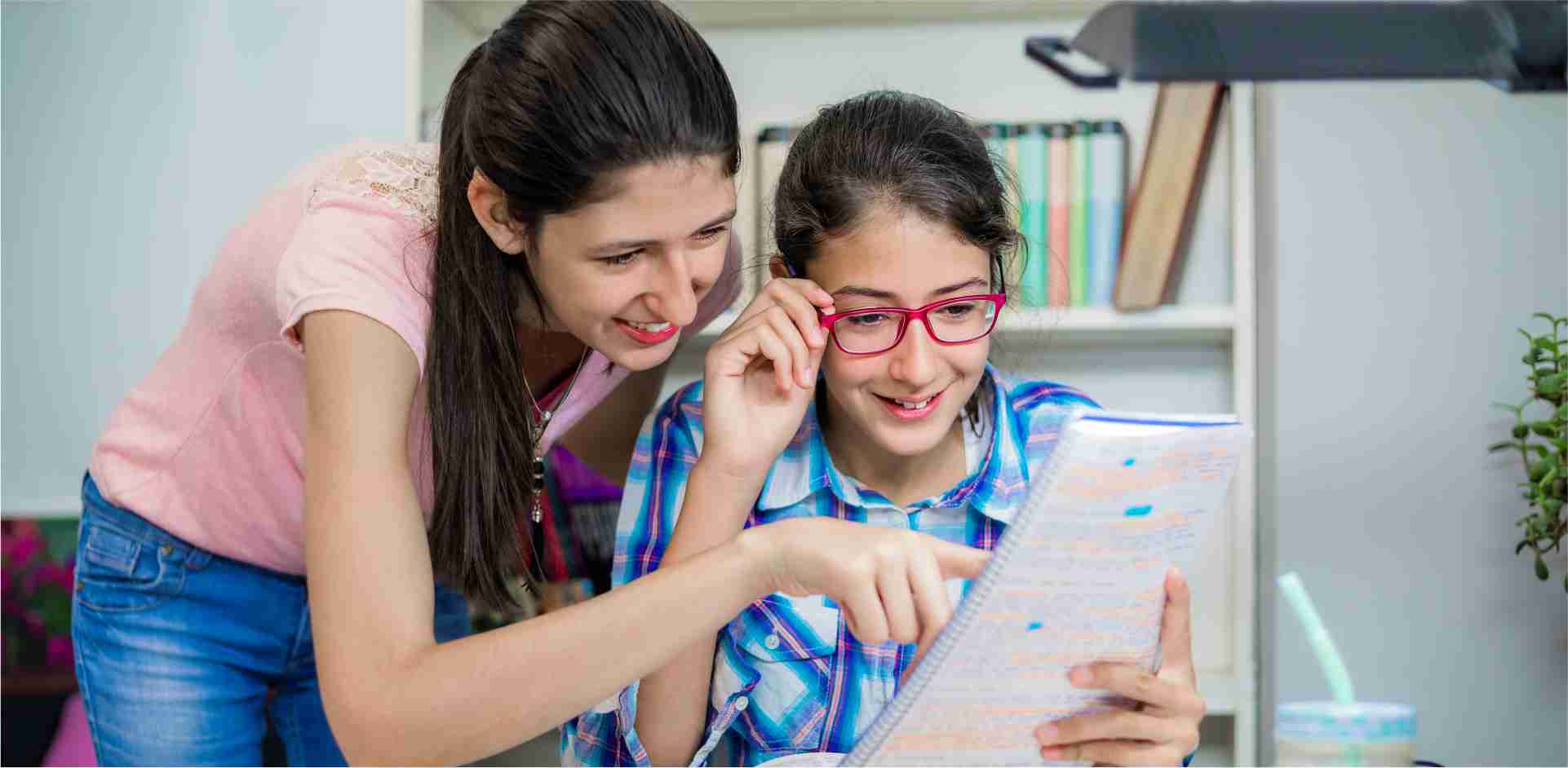
2. Your Child Shows Curiosity and Interest in Learning
Young children are naturally curious, but if your child frequently asks questions, explores objects, enjoys stories, or likes participating in creative activities like drawing and singing, it may indicate readiness for nursery learning.
Nursery classrooms build on this curiosity through interactive and activity-based learning methods that introduce early concepts such as:
- Colours and shapes
- Basic numbers
- Phonics and language development
- Creative expression through art and music
These experiences help children develop a lifelong love for learning. Early childhood education also plays a crucial role in shaping cognitive and emotional development, something we explore in detail in our article on the Benefits of Early Childhood Education:
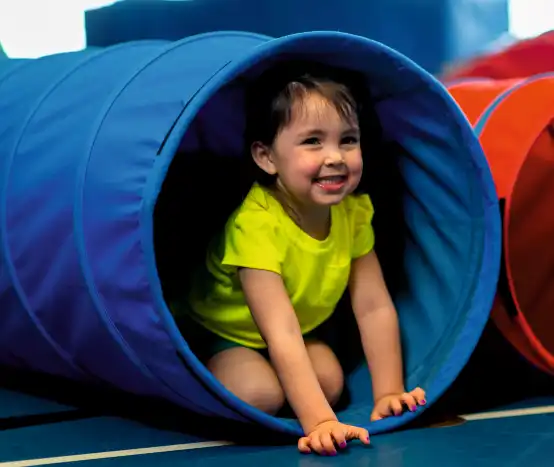
3. Your Child Can Spend Some Time Away from Parents
Another strong sign of nursery readiness is the ability to stay comfortably with caregivers, relatives, or friends for short periods without becoming overly distressed.
Nursery schools gradually help children adapt to being in a new environment by creating a safe and nurturing atmosphere. Teachers focus on making the transition smooth through engaging activities, storytelling, and play-based learning.
A well-designed early learning programme ensures that children feel secure, engaged, and excited about coming to school every day.
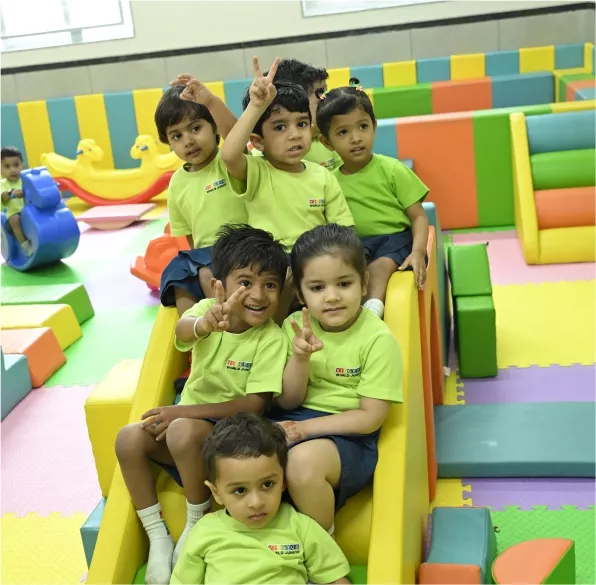
4. Your Child Enjoys Social Interaction
Children who show interest in playing with other kids, sharing toys, or interacting with adults outside the family are often ready for nursery.
In a nursery setting, children learn valuable social skills such as:
- Sharing and cooperation
- Taking turns
- Communicating with peers
- Understanding routines and group activities
These early social experiences play a crucial role in emotional development and confidence building.
5. Your Child Can Follow Simple Instructions
If your child can understand and follow simple instructions like “put the toy back,” “come here,” or “sit down,” they are likely ready to participate in nursery activities.
Following directions is an important skill in group learning environments. Nursery teachers help children strengthen this skill through structured play, songs, and interactive games.
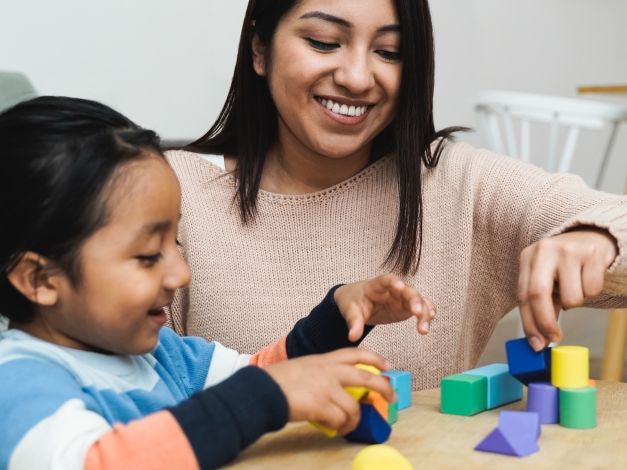
6. Your Child Shows Interest in Structured Activities
Children who enjoy activities such as puzzles, colouring, storytelling sessions, or singing rhymes are often comfortable transitioning into nursery programmes.
Structured activities help children develop:
- Focus and attention
- Fine motor skills
- Listening skills
- Early problem-solving abilities
At VIBGYOR World Junior, children experience a balanced approach combining play, creativity, and early academic readiness, ensuring that learning remains joyful and engaging.
How Nursery Helps Your Child Grow
Nursery education supports holistic development by focusing on cognitive, social, emotional, and physical growth. Children begin to develop routines, interact with peers, and build foundational learning skills that prepare them for preschool and kindergarten.
At VIBGYOR World Junior, our nurturing environment and child-centric curriculum ensure that every child receives the attention and encouragement they need to thrive.
Parents looking for early learning opportunities can explore our campuses in:
Learn More About VIBGYOR World Junior
VIBGYOR World Junior is part of the VIBGYOR Group of Schools, founded by Rustom Kerawalla, a respected educationist known for building one of India’s leading education networks focused on holistic development and academic excellence.
Parents can learn more about our philosophy, vision, and leadership by knowing more about our Preschool
Enrol Your Child in a Nurturing Nursery Programme
Choosing the right nursery can make a significant difference in your child’s early learning journey. A supportive environment, trained educators, and engaging activities can help children develop confidence, creativity, and a love for learning.
If you believe your child is ready to begin this exciting stage, you can connect with our team through the Admissions Enquiry Page:
Our team will be happy to guide you through the admission process and help you find the best learning environment for your child.