When parents begin exploring early childhood education options, two terms often create confusion: Playschool and Preschool. While they may sound similar, they serve slightly different purposes in a child’s early learning journey. Understanding these differences can help parents make the best choice for their child’s development.
Early childhood education plays a crucial role in shaping cognitive, emotional, and social skills. The first five years of life are particularly important because children experience rapid brain development during this period, making early learning environments highly influential.
Let’s understand what each option offers and how parents can decide which is right for their child.
What is a Playschool?
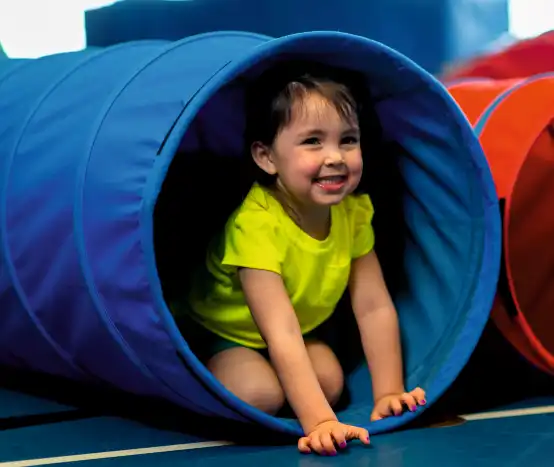
A Playschool is usually the first step in a child’s learning journey. It focuses primarily on helping toddlers become comfortable in a social environment outside their home.
Typically designed for children aged 1.5 to 3 years, playschools emphasize learning through play, exploration, and social interaction rather than formal academics.
Key Features of a Playschool
- Focus on free play and sensory activities
- Helps children develop social and emotional skills
- Short sessions, usually 2–3 hours
- Activities include storytelling, music, art, and movement
- A gentle introduction to being around teachers and other children
At this stage, the goal is not academic learning but helping children:
- Build confidence
- Develop communication skills
- Learn to share and cooperate
- Become comfortable being away from parents.
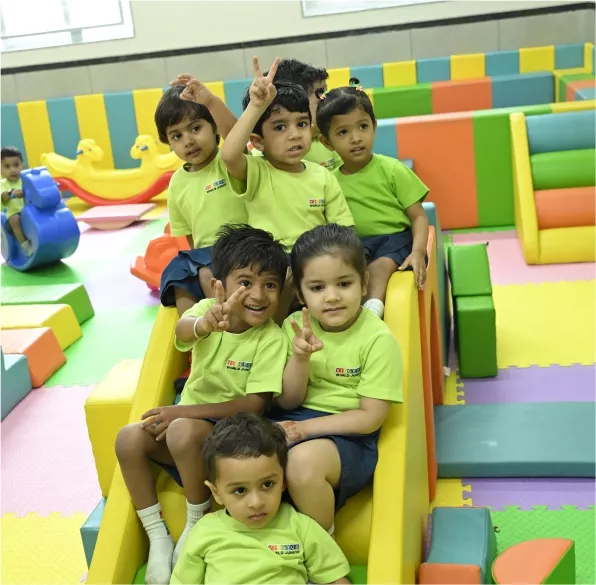
Playschools create a nurturing environment where children learn naturally through interaction and play.
What is a Preschool?
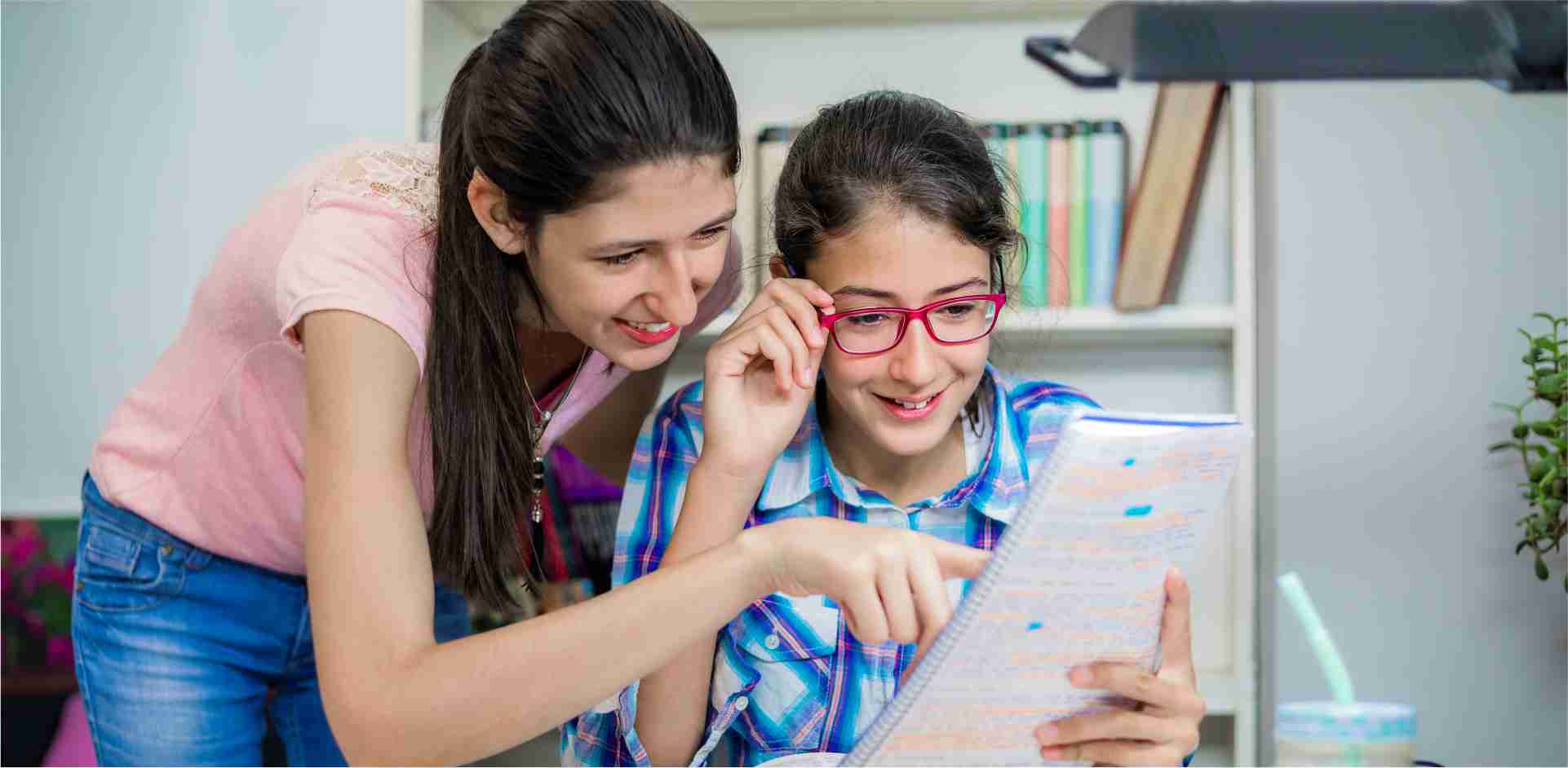
A Preschool is the next stage of early childhood education and is designed to prepare children for formal schooling.
Preschools usually enrol children between 2.5 or 3 years and 5 years. Unlike playschools, preschools follow a structured curriculum that introduces early learning concepts while still maintaining a playful learning environment.
Key Features of a Preschool
- Structured learning environment
- Introduction to phonics, numbers, shapes, and colours
- Development of language and cognitive skills
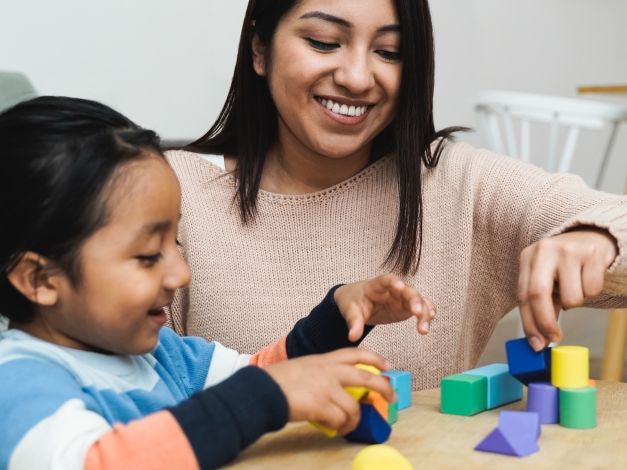
- Activity-based learning with trained teachers
- Longer sessions compared to playschools
Preschools help children build foundational skills needed for nursery, kindergarten, and primary school. These include:
- Early literacy and numeracy
- Problem-solving
- Creativity and curiosity
- Communication and confidence.
Playschool vs Preschool: Key Differences
| Aspect | Playschool | Preschool |
| Age Group | 1.5 – 3 years | 2.5 – 5 years |
| Focus | Social interaction and play | School readiness and learning concepts |
| Curriculum | Informal and play-based | Structured, activity-based curriculum |
| Duration | 2–3 hours | 3–4 hours |
| Goal | Comfort and social development | Academic and holistic development |
Playschools focus more on exploration and socialization, while preschools gradually introduce structured learning along with play.
Why Early Learning Matters
Whether it’s a playschool or a preschool, early childhood programs help children build essential life skills. These environments allow children to interact with peers, which improves communication, teamwork, and emotional understanding.
Children also develop:
- Fine and gross motor skills
- Language and vocabulary
- Confidence and independence
- Curiosity and love for learning
These skills form the foundation for success in primary school and beyond.
How to Choose the Right Option for Your Child
Choosing between a playschool and preschool depends on several factors:
1. Your Child’s Age
If your child is under 3, a playschool can be a great starting point. Preschool becomes suitable as children approach nursery age.
2. Readiness for Structure
Some children adapt easily to routines and structured activities, while others benefit from a more relaxed, play-focused environment first.
3. Developmental Needs
Every child develops at a different pace. Observing your child’s social and emotional readiness can guide your decision.
4. Learning Environment
Look for institutions that focus on holistic development, safe spaces, trained educators, and age-appropriate learning methods.
Giving Your Child the Best Start
The choice between a playschool and a preschool is not about which one is “better.” Instead, it is about choosing the right stage of learning for your child. Both play an important role in nurturing curiosity, creativity, and confidence.
At VIBGYOR World Junior, our early childhood programs are designed to provide children with a joyful and stimulating learning experience that supports their overall development.
Parents looking for high-quality early education can explore our campuses in:
With experienced educators, engaging learning environments, and a child-centric curriculum, VIBGYOR World Junior helps young learners take their first steps toward a bright educational journey.